U.S. Brig Niagara says goodbye
Tue, 05/26/2026 - 9:12am
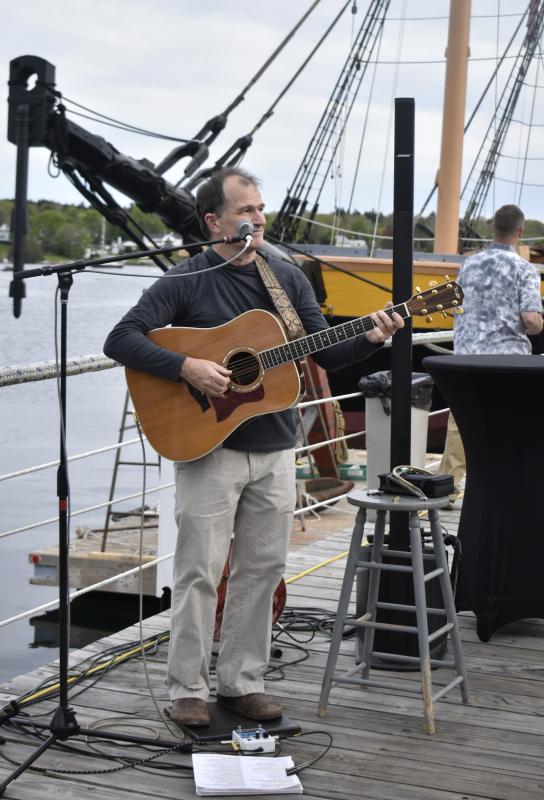
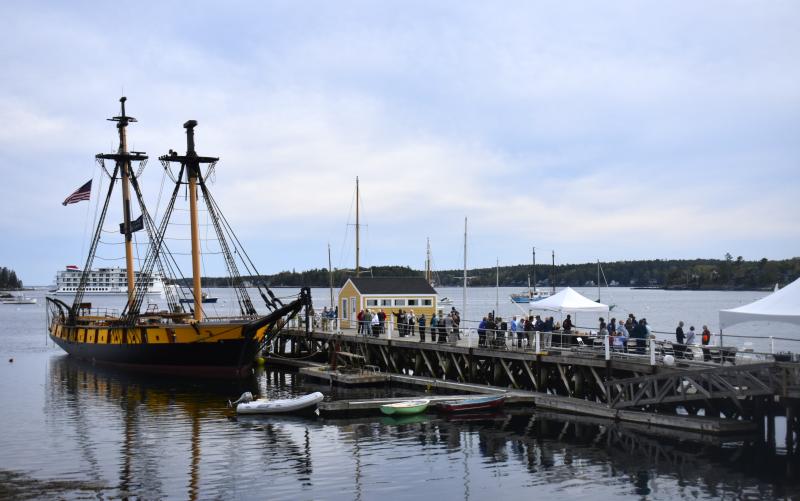 Members of Boothbay Region Historical Society get an exclusive look at the U.S Brig Niagara May 21. ISABELLE CURTIS/Boothbay Register
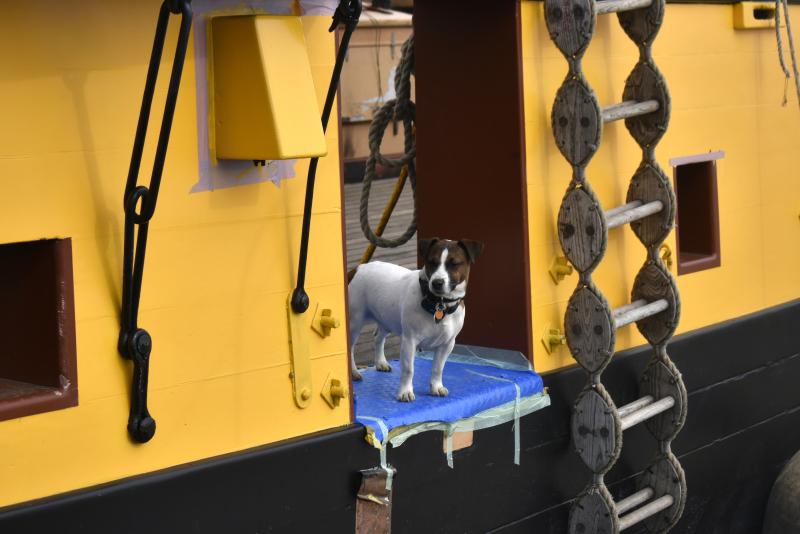 A furry crew member makes an unexpected appearance! ISABELLE CURTIS/Boothbay Register
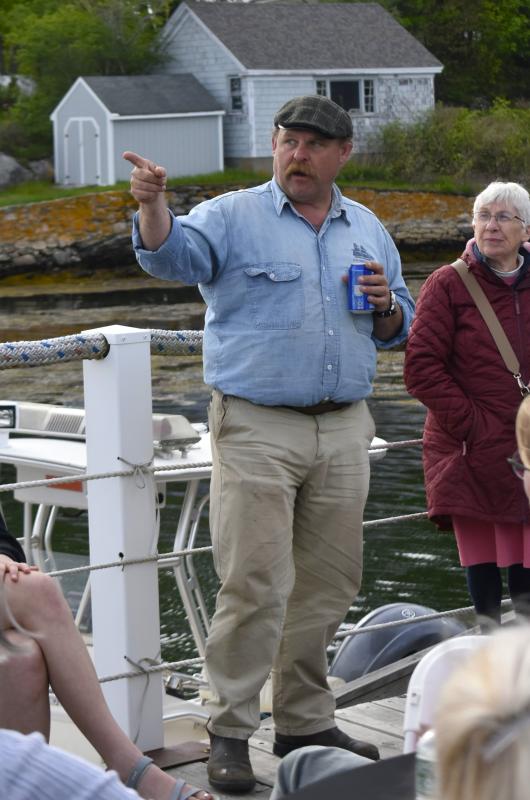 After spending his youth volunteering on the vessel, Greg Bailey became Niagara's captain in 2024. ISABELLE CURTIS/Boothbay Register
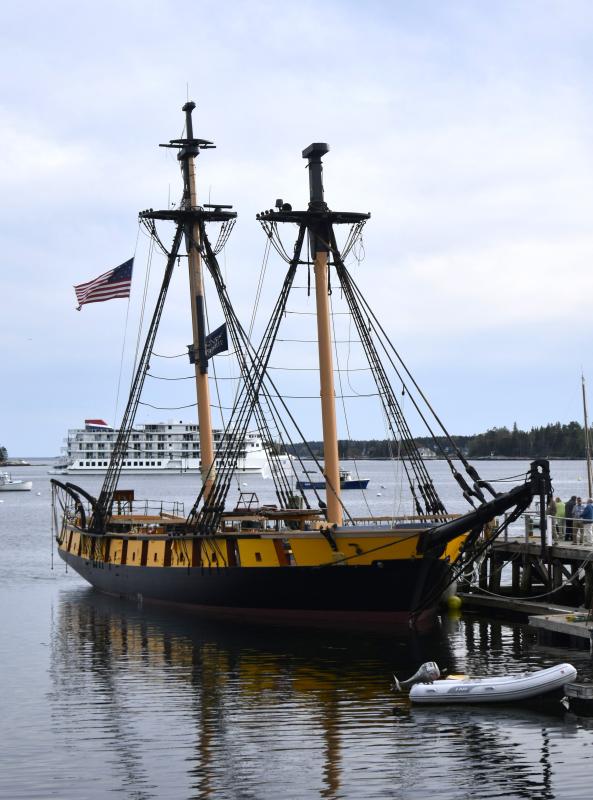
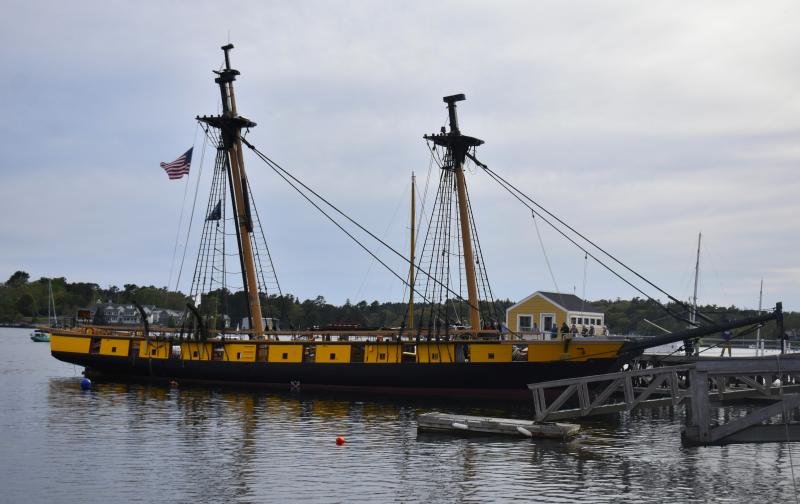 Niagara will soon be returning to Pennsylvania. ISABELLE CURTIS/Boothbay Register
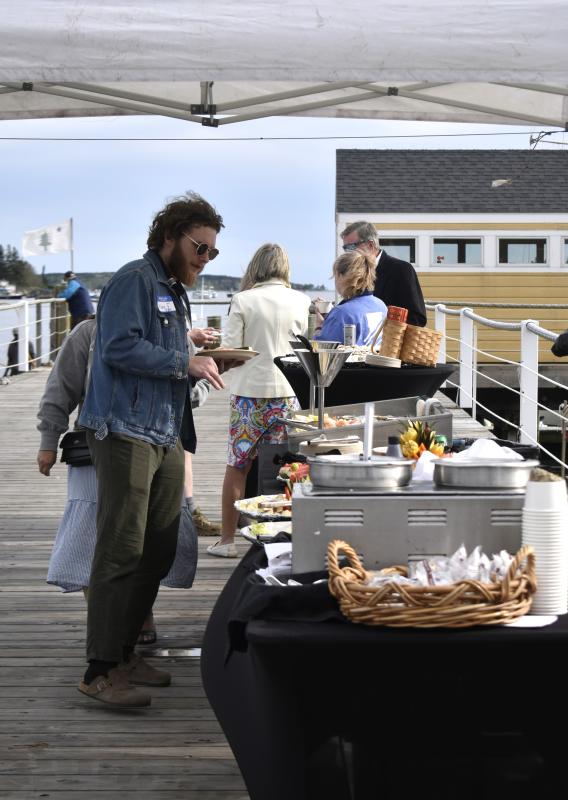
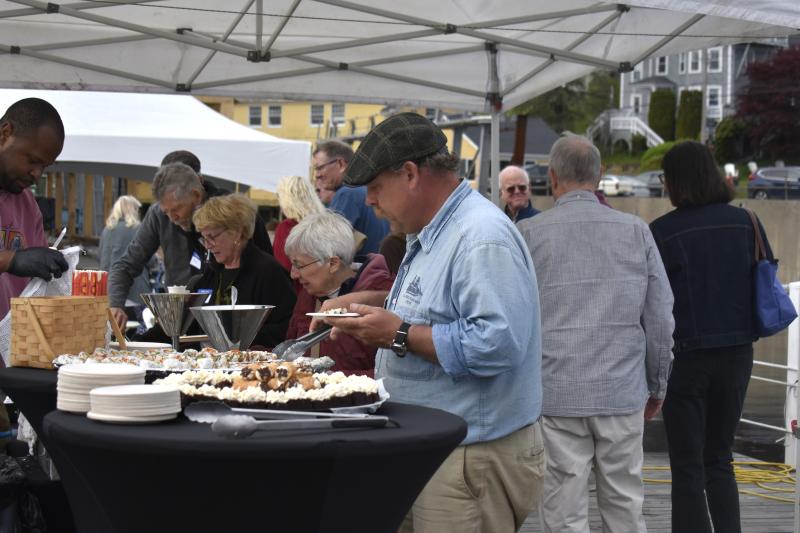 Guests enjoy a spread from Mine Oyster. ISABELLE CURTIS/Boothbay Register
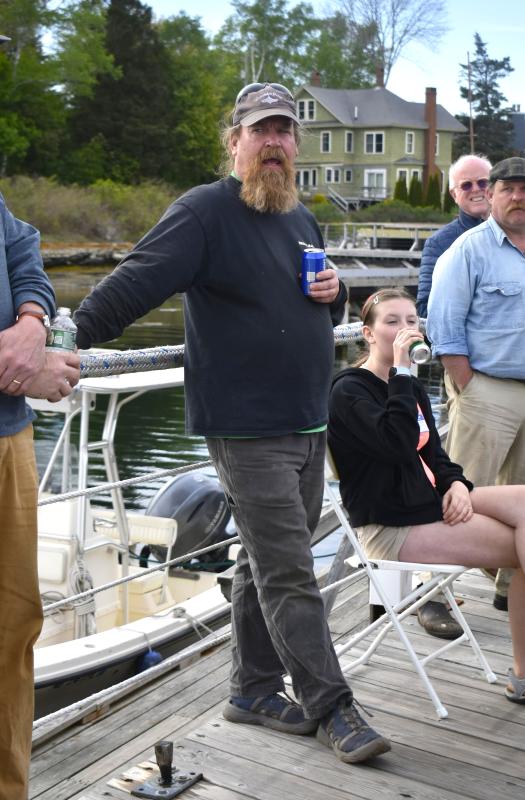 Project Manager & Shipwright Ross Branch talks trials and tribulations of the restoration process. ISABELLE CURTIS/Boothbay Register
 ISABELLE CURTIS/Boothbay Register
 ISABELLE CURTIS/Boothbay Register
 ISABELLE CURTIS/Boothbay Register
Members of Boothbay Region Historical Society get an exclusive look at the U.S Brig Niagara May 21. ISABELLE CURTIS/Boothbay Register
A furry crew member makes an unexpected appearance! ISABELLE CURTIS/Boothbay Register
After spending his youth volunteering on the vessel, Greg Bailey became Niagara's captain in 2024. ISABELLE CURTIS/Boothbay Register
Niagara will soon be returning to Pennsylvania. ISABELLE CURTIS/Boothbay Register
Guests enjoy a spread from Mine Oyster. ISABELLE CURTIS/Boothbay Register
Project Manager & Shipwright Ross Branch talks trials and tribulations of the restoration process. ISABELLE CURTIS/Boothbay Register
ISABELLE CURTIS/Boothbay Register
ISABELLE CURTIS/Boothbay Register
ISABELLE CURTIS/Boothbay Register
ISABELLE CURTIS/Boothbay Register
Members of Boothbay Region Historical Society get an exclusive look at the U.S Brig Niagara May 21. ISABELLE CURTIS/Boothbay Register
A furry crew member makes an unexpected appearance! ISABELLE CURTIS/Boothbay Register
After spending his youth volunteering on the vessel, Greg Bailey became Niagara's captain in 2024. ISABELLE CURTIS/Boothbay Register
Niagara will soon be returning to Pennsylvania. ISABELLE CURTIS/Boothbay Register
Guests enjoy a spread from Mine Oyster. ISABELLE CURTIS/Boothbay Register
Project Manager & Shipwright Ross Branch talks trials and tribulations of the restoration process. ISABELLE CURTIS/Boothbay Register
ISABELLE CURTIS/Boothbay Register
ISABELLE CURTIS/Boothbay Register
ISABELLE CURTIS/Boothbay Register
It took the U.S. Brig Niagara, the state ship of Pennsylvania, 21 days to travel from its hometown of Erie to Sample’s Shipyard. After about 10 months of restoration, it will soon be setting sail again. May 21, Boothbay Region Historical Society invited its members to hear behind-the-scenes about repairs and the ship’s history before it returns to Erie Maritime Museum.
“What is important to me is how these ships bring people together ... There are caretakers that are fortunate enough to be able to preserve the vessels, and (Sample’s Shipyard is) fortunate enough to preserve the people, the talent, the equipment, the resources to make this thing still breathe and live,” said Service Manager Eric Graves.
Niagara Captain Greg Bailey, holding back tears, summed it up: “This experience has been just incredible. I never really felt like a customer.”
Just in time for America’s 250th birthday, the team’s work also preserved America’s historical fight against the British to control the Great Lakes during the War of 1812. Built in 1988, the current Niagara is a replica of Oliver Hazard Perry’s flagship used during the 1813 Battle of Lake Erie. Some of the original ship was integrated into the hull as non-structural components.
Bailey’s history with the vessel dates to his days as a 13-year-old volunteer in the 90s, and he recalled that the first captain he sailed with referred to the battle as “the day the sick went out to fight the hungry.”
“The British had these horrible supply line issues, so all of their men were starving, and the Americans, how smart we are, were dumping their sewage off of one side and getting their drinking and cooking water off the other side,” he said.
Another fun fact was the irony behind Perry’s personal battle flag: “Don’t Give Up the Ship,” which flies at the top of Niagara’s mast. Perry was the leader of a fleet, including the ill-fated sistership Lawrence, which got pummeled by the British while Niagara hung back. When Lawrence became unusable, Perry gave up the ship and rowed over to Niagara to transfer his flag there.
Despite the hiccups, America emerged victorious: “(Perry) wrote his famous, 'We have met the enemy, and they are ours. Two ships, two brigs, one schooner, one sloop.’ Sent it off to General Henry Harrison, and from then on, we've had strategic control of the Great Lakes.”
Nowadays, the ship is used for historical reenactments, sailing trips, as a dockside attraction, and as a training vessel for new sailors.
But getting the 305-ton ship back into working order was an undertaking.Workers replaced engines, restored planking, refurbished electrical systems, repaired rigging and returned the ship to Coast Guard standards.
According to Project Manager & Shipwright Ross Branch, refurbishing the rigging involved wrestling with the ship’s bowsprit, weighing 5,000 pounds, the foremast (10,000 pounds) and the main mast (12,000 pounds). Meanwhile, recreating the angled, eight-inch thick, 11-foot-long hawse-timbers (upright timbers in the bow, bolted on each side of a ship’s stem) was one of the most complicated things Branch has ever shaped or installed.
Another big project was replacing the ship’s 130 planks. Made from Douglas fir sourced from British Columbia, each plank measured about three inches thick, five to eight inches wide, and 36 to 38 feet long. They had to be steamed for one hour per thickness (three hours) to make them bendable.
Crew made their way up either one or two levels of staging surrounding the grounded ship. Then, they’d jam the planks in place, pin them and wrap them to fit the curvature of the vessel using wedges and specialized clamps to hold everything. “The hanging crew on a project like this are, in my opinion, the real heroes,” Branch said.
Standard Post