Before the next storm, Maine must stand ready
If you live in New England, especially Maine, you know weather is never just small talk.
It determines whether boats can leave the harbor, roads are passable, schools can open, and an older neighbor has heat when the power goes out. From working waterfronts to inland towns, storms are not distant possibilities. They are part of life.
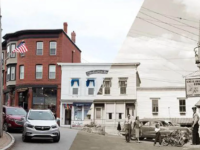
Recent years have made that clear. In December 2023, a powerful wind and rainstorm caused flooding, road damage and outages across the state. Weeks later, back-to-back January storms sent water into downtowns and across working waterfronts, damaging infrastructure coastal communities depend on.
The impacts differ from town to town, but the lesson is the same: Familiar places can become dangerous quickly, and the effects of a coastal storm do not end at the coast.
As emergency management professionals, we see what happens next. Local responders, public works crews, utility workers, harbor masters, volunteers and municipal officials work long hours in difficult conditions. Business owners clear water and debris from their shops. Neighbors check on neighbors. Communities begin the hard work of recovery.
We also see a simple truth: Many of the first decisions that protect lives happen before the storm, around a kitchen table.
That is the idea behind this year’s National Preparedness Month theme, Americans Stand Ready. Standing ready is not about fearing the next forecast. It is about taking practical steps to protect the people we love, support first responders and strengthen our communities.
Disaster response is locally led, state managed and federally supported. Local officials know their roads, neighborhoods and residents. States coordinate resources across communities. FEMA and other federal partners support response and recovery when needs exceed state and local capacity.Household preparedness strengthens that system, too.
A family that knows what to do when a road closes, power fails or an evacuation is ordered does not have to make a plan in the middle of an emergency. A household prepared to meet basic needs during an outage allows emergency crews to focus on people in immediate danger.
Getting ready does not have to be expensive or complicated. Start with a few practical steps.
Know your risk. Find out whether your home, workplace, school or regular travel routes are vulnerable to flooding, high winds, outages or other hazards.
Make a plan. Talk with your household about what you would do if the power were out for several days, your usual route flooded or you needed to leave quickly. Decide where you would go and how you would reconnect if separated. Include pets, medications, medical equipment and daily support needs.
Gather supplies over time. Start with what you may already have: water, nonperishable food, flashlights, extra batteries, a first-aid kit, medications and phone chargers. Keep copies of important documents together and easy to take with you.
Stay informed and be ready to act. Sign up for community emergency alerts. Follow local public safety officials, your state emergency management agency and the National Weather Service. Download the FEMA app for real-time weather alerts in up to five locations. Have more than one way to receive updates if power or cell service fails. If officials issue evacuation instructions, follow them.
Preparedness also means looking beyond our own front doors. In many emergencies, the first helping hand comes from a neighbor, relative, coworker or volunteer. Checking on someone who lives alone, needs medical equipment, has limited transportation or may not receive alerts can be as important as checking your own supplies.
Mainers know how to endure hard weather and begin again after it passes. But toughness works best when paired with preparation.
This September, take one concrete step. Make the plan. Sign up for alerts. Check the batteries. Set aside supplies for your family and pets. Call a neighbor. Visit Ready.gov/stand-ready for free tools and checklists.
The next storm will not wait for us to get ready. We should not wait for it.
Provided by Pete Rogers, director, Maine Emergency Management Agency, and Jarrett W. Devine, acting regional administrator, FEMA Region 1.