BHSD investigates unknown pump station
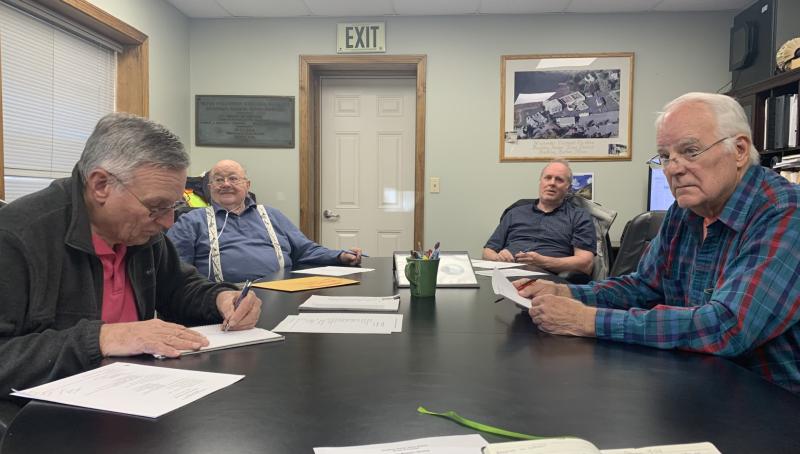 BHSD trustees discuss what to do about a pump station found on Wharf Street. ISABELLE CURTIS/Boothbay Register
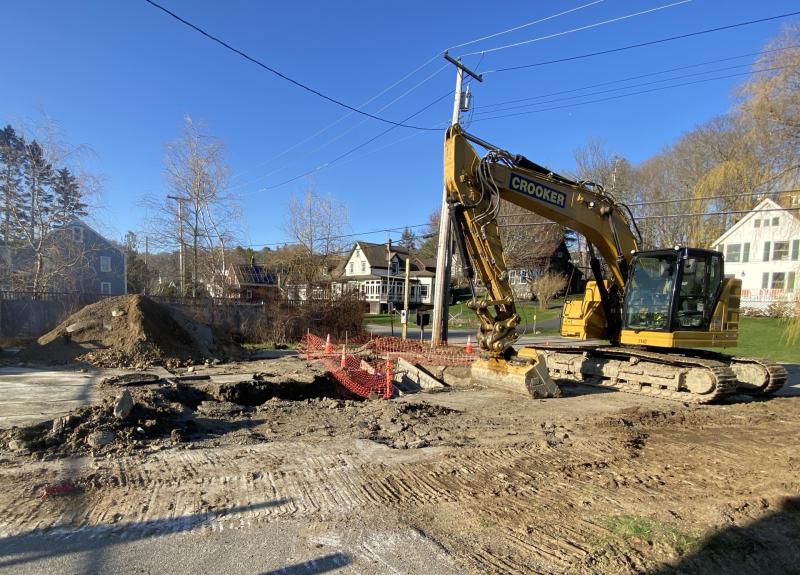 BHSD continues work April 21 to move a waterline under the district’s parking lot at 27 Sea St., Boothbay Harbor. ISABELLE CURTIS/Boothbay Register
BHSD trustees discuss what to do about a pump station found on Wharf Street. ISABELLE CURTIS/Boothbay Register
BHSD continues work April 21 to move a waterline under the district’s parking lot at 27 Sea St., Boothbay Harbor. ISABELLE CURTIS/Boothbay Register
BHSD continues work April 21 to move a waterline under the district’s parking lot at 27 Sea St., Boothbay Harbor. ISABELLE CURTIS/Boothbay Register
BHSD trustees discuss what to do about a pump station found on Wharf Street. ISABELLE CURTIS/Boothbay Register
BHSD continues work April 21 to move a waterline under the district’s parking lot at 27 Sea St., Boothbay Harbor. ISABELLE CURTIS/Boothbay RegisterBoothbay Harbor Sewer District (BHSD) was surprised this month by the discovery of a pump station at 17 Wharf St. that was installed without the district's knowledge about 15 years ago. Cap’n Fish’s Cruises has been using the station to discharge wastewater, which enters public sewer via a shared plumbing line between the Mine Oyster building and the pump-out on the dock.
According to an email to BHSD from Cap’n Fish’s Taber Young, the station is used for emergencies, taking about 50 gallons of greywater (wastewater that lacks substantial fecal contamination) per season, and is winterized from mid-October to mid-May.
Upon speaking to the previous owners of Cap’n Fish’s and the Mine Oyster’s building, Young said they indicated that no separate meter was installed on the pump because of how the leases were structured, and utilities were paid.
Operator-in-charge Chris Higgins responded that all connections to the sewer district, including indirect ones, require a connection permit and an entry fee. BHSD has no record of either for the Wharf Street station, so it was installed without the district’s knowing.
BHSD is asking for a completed entry permit and a $1,000 associated fee, which is the amount that would have been paid 15 years ago, as well as $239 for the 2025 season. The district recommended installing an hour meter (at Cap’n Fish’s expense) for future billing.
April 21, trustees discussed further investigation, including seeking clarity on where Cap’n Fish’s blackwater (wastewater that contains human waste) is going. They also mentioned the issue of back payment.
In other business, BHSD broke ground on phase 1 of its coastal resiliency project. The district will be constructing a new electrical building and is moving a waterline so that it will no longer be under the planned building site.
Higgins shared issues the district is facing with phase 1 due to the Build American, Buy American Act (BABA), which requires that all iron, steel, manufactured products and construction materials used in federally funded infrastructure projects be produced in the U.S.
A lot of components for the district‘s controls are not made domestically, and even small items like nails require additional waivers and certifications because most are manufactured in Canada.
“The certifications paperwork is costing us a fortune, because the engineers have to track all this, so that takes time. So, all that nice, free (federal) grant money is getting chewed up with administrative costs,” he said.
BHSD recently received an about $394,000 insurance payment from Maine Municipal for the fire that destroyed the district's garage last February, and trustees approved putting the money in a separate account at First National Bank’s Wealth Management.