As temperatures drop along the Midcoast, many homeowners begin to notice a familiar winter problem: foggy windows, musty closets, or rooms that feel both cold and damp. While most national guidelines recommend keeping indoor humidity between 35 and 50 percent in winter, Maine’s colder climate tightens that range.
For many homes in our region, even 40 percent indoor humidity is too high once the windows and walls start to cool down.
According to Evergreen Home Performance, a building-science firm with offices in Portland and Rockland, the ideal winter humidity level for Maine homes is typically around 35% relative humidity (RH) — sometimes even lower on the coldest nights. That helps prevent condensation, mold growth, and moisture damage in places like attics, closets, and cold upstairs rooms.
Why moisture builds up in Maine homes
Even though outdoor winter air is extremely dry, indoor humidity can rise quickly because of how Maine homes are built and heated. A few key factors:
-
Cold outside air holds almost no moisture, but it becomes humid once warmed indoors.
-
Wood stoves and fireplaces exhaust warm air, pulling cold, dry air into the home — often dropping indoor humidity unless the home is tightly sealed.
-
Home upgrades like insulation and air sealing can suddenly trap more moisture than before.
-
Holiday gatherings produce big moisture spikes from cooking, dishwashing, and long showers.
-
Cold rooms or closets can hit extremely high RH locally, even when the whole-house humidity seems normal.
This combination creates the perfect conditions for condensation on windows, attic frost, damp corners, or mildew on shoes and coats in unheated closets.
What’s a safe humidity level for your home?
Evergreen recommends the following guidelines based on the home’s condition:
Homes that can stay closer to 40% RH:
– well insulated
– good air sealing
– modern double or triple-pane windows
– even heat distribution
Homes that should stay closer to 30–35% RH:
– older windows
– drafty rooms
– cold upstairs bedrooms or closets
– wood-heated homes
– homes with ongoing condensation issues
When outdoor temperatures drop below zero, even well-sealed homes may need to run lower humidity temporarily to avoid wet windows.
Hidden places where moisture collects
Humidity problems often start in less visible areas:
-
Cold, closed-off rooms: A 55-degree room can spike above 60% RH even if the rest of the house is at 35–40%.
-
Closets: Shoes, jackets, and leather goods absorb moisture and begin to mildew.
-
Attics: Frost on nails, dark roof staining, and wet insulation are signs that indoor air is leaking upward and condensing on the cold roof deck.
“If your windows are fogging downstairs, it may mean your attic is already wet,” says Richard Burbank, President of Evergreen Home Performance.
Simple steps to manage winter humidity
-
Run bathroom fans during showers and for 15–20 minutes afterward.
-
Use your kitchen exhaust fan when simmering or boiling.
-
Keep interior doors open so cold rooms don’t trap moisture.
-
Use a hygrometer to monitor your indoor humidity — a $10–$15 tool that can prevent expensive moisture damage.
-
Be cautious with humidifiers: Maine homes can quickly become too humid once they’re better insulated.
When to call a professional
You should reach out for an energy audit if you notice:
-
persistent window condensation
-
mold in corners or closets
-
attic frost or dark staining
-
a home that feels cold and damp
-
sudden moisture issues after insulation or heat-pump upgrades
Evergreen Home Performance has helped more than 6,000 Maine homeowners solve moisture, insulation, and comfort issues since 2006. To schedule an energy audit or consultation, call (207) 594-2244 or visit evergreenyourhome.com.
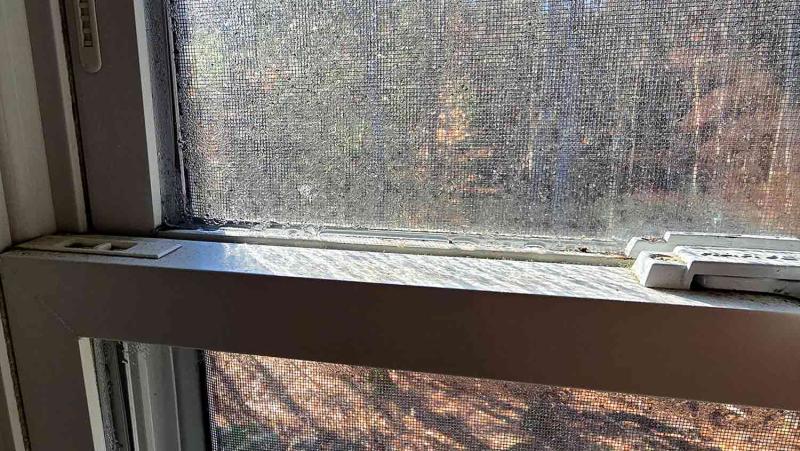 Moisture on Maine Window
 Indoor Condensation on Ceiling
 Mold on Underside of Roof
Evergreen Home Performance
190 Riverside Street
2A
Portland, ME 04103
United States