Three fires, five days: Why mutual aid is the peninsula’s ultimate safety net
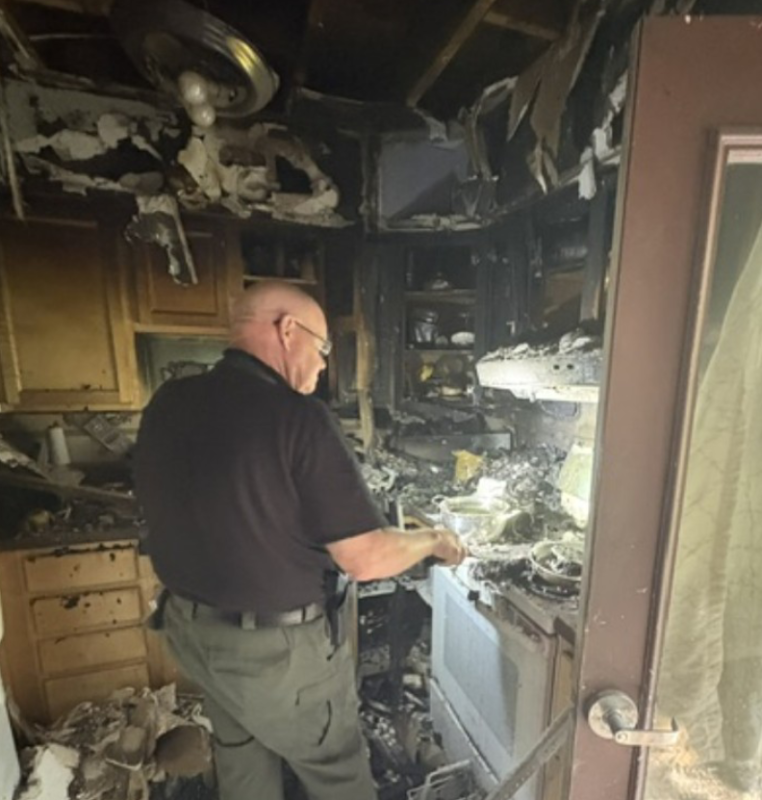 State Fire Marshal Ken MacMaster investigates the cause of a fire at the Campbell Apartments. Mark Sullivan photo
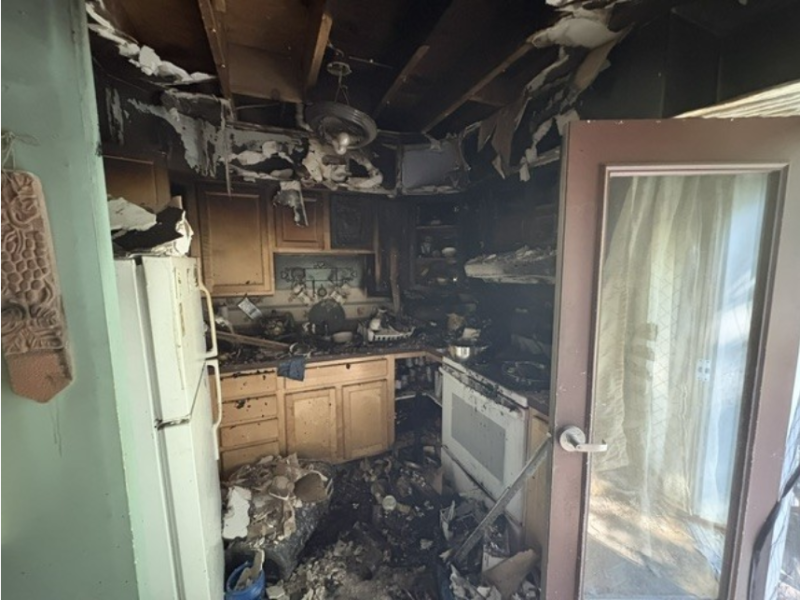 Interior of Campbell apartment fire. Mark Sullivan photo
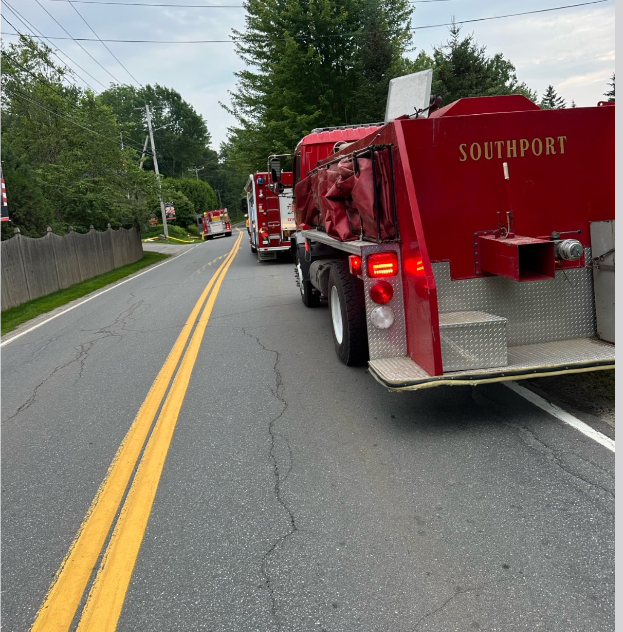 Southport tanker at the scene of the East Boothbay fire. Mark Sullivan photo
 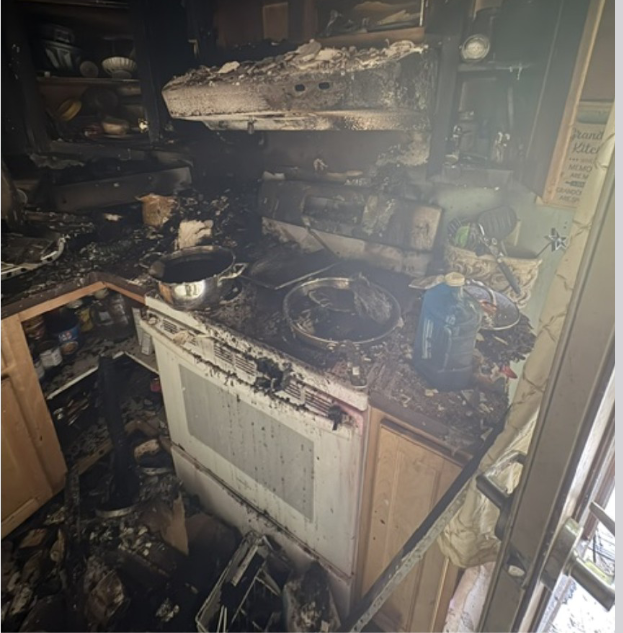 Interior of Campbell Apartments structure fire. Mark Sullivan photo
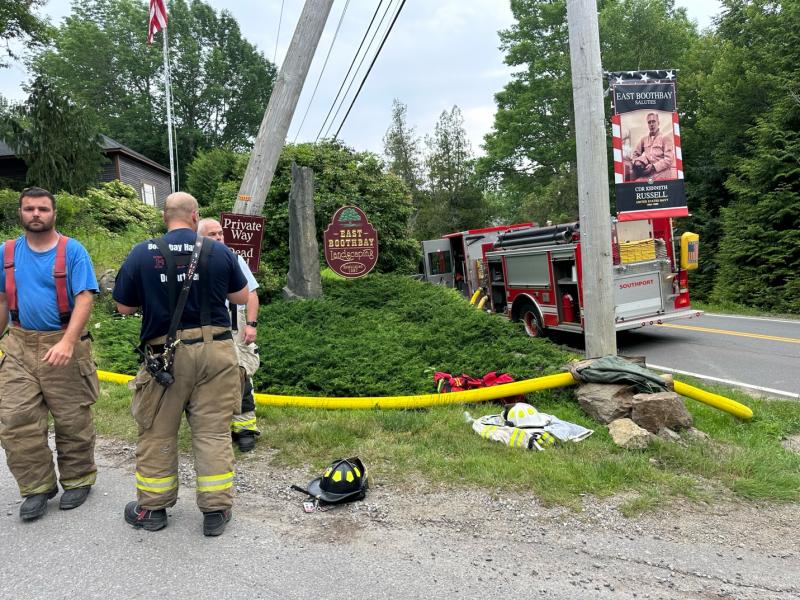 Southport Fire supporting water supply operations at a structure fire in East Boothbay. Mark Sullivan photo
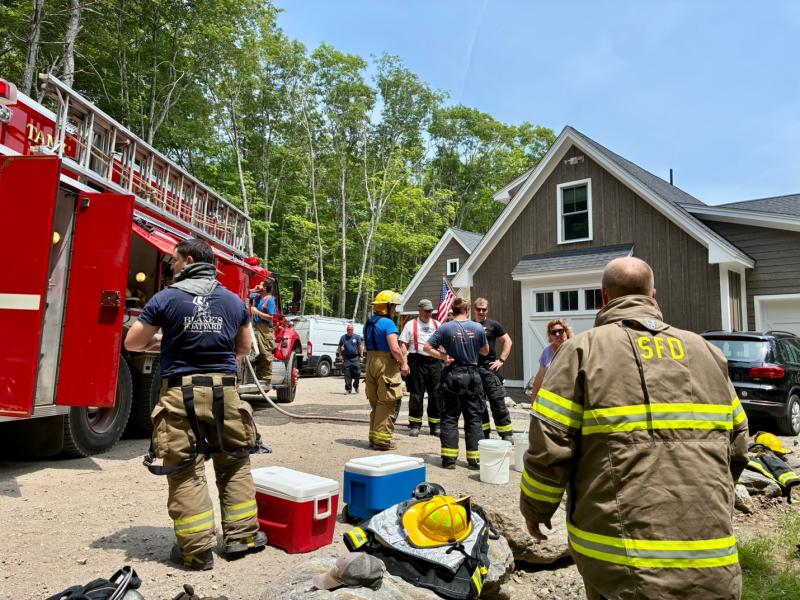 Steves Road structure fire. Mark Sullivan photo
 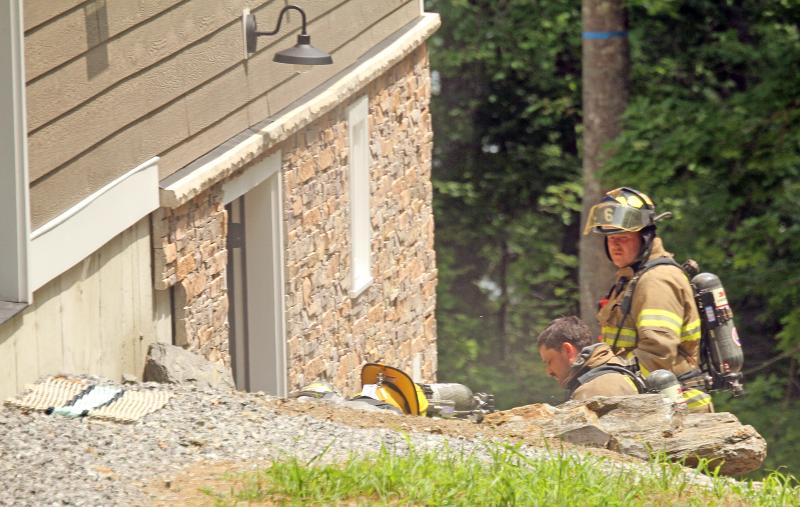 Steves Road structure fire. STEVE EDWARDS/Boothbay Register
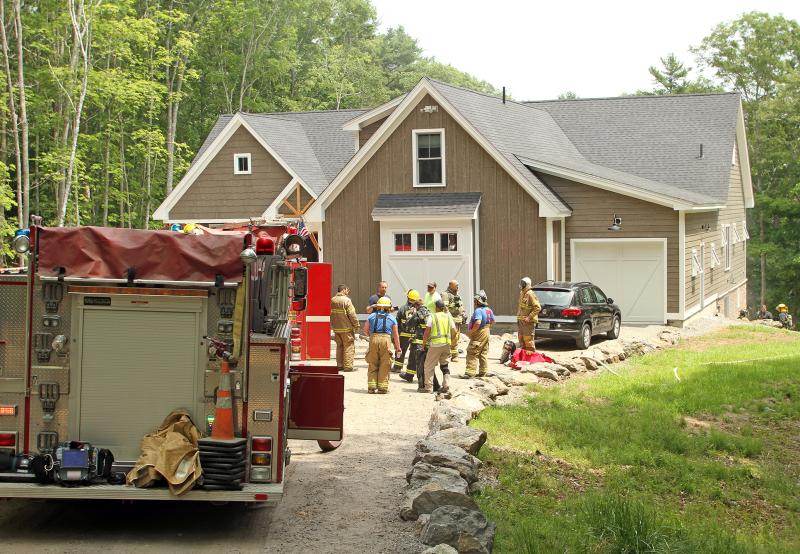 Steves Road structure fire. STEVE EDWARDS/Boothbay Register
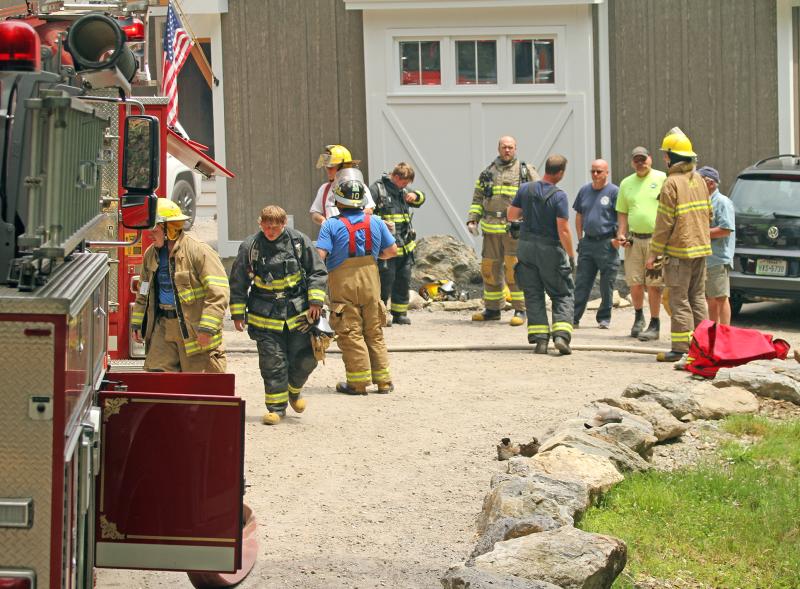 Steves Road structure fire. STEVE EDWARDS/Boothbay Register
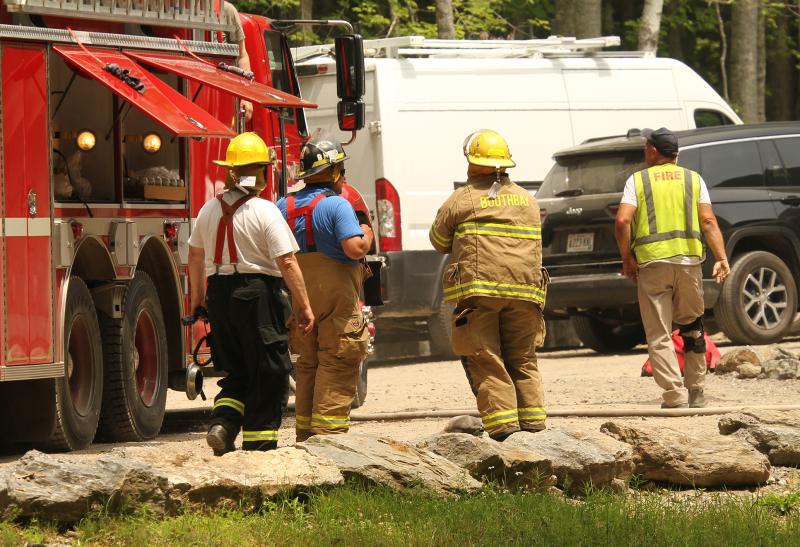 Steves Road structure fire. STEVE EDWARDS/Boothbay Register
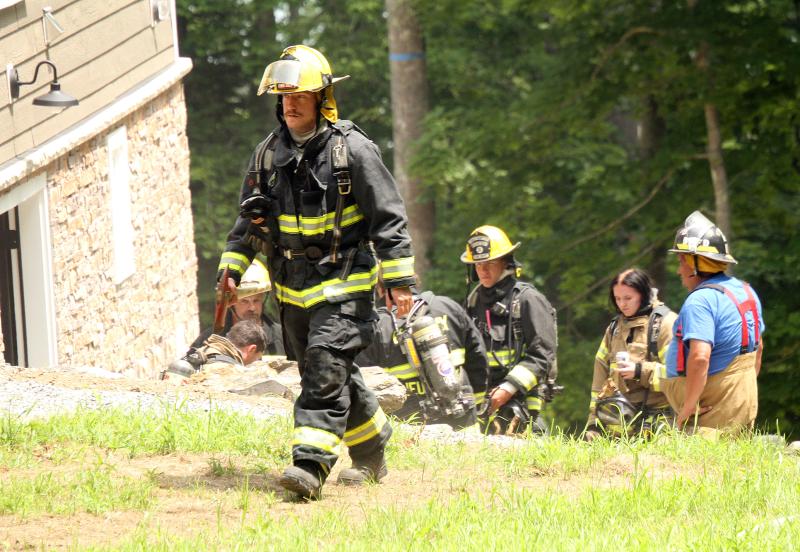 Steves Road structure fire. STEVE EDWARDS/Boothbay Register
State Fire Marshal Ken MacMaster investigates the cause of a fire at the Campbell Apartments. Mark Sullivan photo
Interior of Campbell apartment fire. Mark Sullivan photo
Southport tanker at the scene of the East Boothbay fire. Mark Sullivan photo
Interior of Campbell Apartments structure fire. Mark Sullivan photo
Southport Fire supporting water supply operations at a structure fire in East Boothbay. Mark Sullivan photo
Steves Road structure fire. Mark Sullivan photo
Steves Road structure fire. STEVE EDWARDS/Boothbay Register
Steves Road structure fire. STEVE EDWARDS/Boothbay Register
Steves Road structure fire. STEVE EDWARDS/Boothbay Register
Steves Road structure fire. STEVE EDWARDS/Boothbay Register
Steves Road structure fire. STEVE EDWARDS/Boothbay Register
Steves Road structure fire. STEVE EDWARDS/Boothbay Register
State Fire Marshal Ken MacMaster investigates the cause of a fire at the Campbell Apartments. Mark Sullivan photo
Interior of Campbell apartment fire. Mark Sullivan photo
Southport tanker at the scene of the East Boothbay fire. Mark Sullivan photo
Interior of Campbell Apartments structure fire. Mark Sullivan photo
Southport Fire supporting water supply operations at a structure fire in East Boothbay. Mark Sullivan photo
Steves Road structure fire. Mark Sullivan photo
Steves Road structure fire. STEVE EDWARDS/Boothbay Register
Steves Road structure fire. STEVE EDWARDS/Boothbay Register
Steves Road structure fire. STEVE EDWARDS/Boothbay Register
Steves Road structure fire. STEVE EDWARDS/Boothbay Register
Steves Road structure fire. STEVE EDWARDS/Boothbay RegisterWhen a community experiences three significant structure fires in just five days, the physical and logistical strain on local fire departments is immense. For the public, a fire scene looks like a singular, coordinated effort. But behind the flashing lights and the roar of the diesel engines, a complex web of multi-agency coordination—known as mutual aid—is what actually prevents disaster from spreading.
Mutual aid is not just a backup plan; it is a fundamental operational strategy. Without it, the reality of small-town and rural firefighting would look dangerously different. In Maine, approximately 80% of fire departments are volunteer based, with the vast majority of these firefighters holding other full-time jobs spanning a wide range of professions. Additionally, volunteer fire departments are not staffed with firefighters living at the station; rather, personnel respond to calls directly from their homes, 24/7, 365 days a year.
Across the United States and here in Maine, the number of people volunteering to serve in fire departments has seen a continuous, decades-long drop. Since 2008, the nation’s volunteer fire service has shed an average of 12,000 firefighters per year, falling from about 827,000 members to 635,000 in 2023, the last year for which data is available. To make matters worse, the number of fire and EMS calls to U.S. fire departments has increased about 70% since 2008, jumping from roughly 25 million to 42 million. This leaves the remaining volunteers saddled with an ever-increasing workload and fewer resources to address it.
The reasons for the drop in membership are complex and multi-faceted; however, several broad factors stand out. These include the heavy time commitments required to balance firefighting and a full-time job, the sheer unpredictability of calls occurring at all hours of the day and night, extensive fire and rescue training requirements, and the increasing need to support dual-income households or hold multiple jobs.
A five-day operational peak of structure fires
June 30 – Farnham Point Road structure fire, East Boothbay
The recent cluster of structure fires began on June 30 with a fire at 7 Farnham Point Road in East Boothbay. As detailed in a recent Boothbay Registerarticle, (https://www.boothbayregister.com/article/rapid-response-and-aggressive-interior-attack-restricts-farnham-point-fire-garage/271930) this incident began as a significant garage fire that threatened the entirety of the home. Thanks to a massive 44-person, multi-agency response, fire crews were able to mount an aggressive interior attack. With Robbie Ham managing the critical pump operations on Engine 1, firefighters Kirk Fisher and Lt. Jonathan Tindal were able to push inside to stop the fire from extending deeper into the home. That rapid, coordinated stop contained the flames to the garage, saving the primary residence. The initial attack team experienced near-zero visibility conditions in heavy smoke and high heat inside the garage.
July 5 – Campbell Creek apartment structure fire, Boothbay Harbor
Less than a week later, on July 5, the tones dropped again for a fire at 1 Andrea Lane at the Campbell Creek Village apartments in Boothbay Harbor. This incident originated in the kitchen with a fire on the stove, which then quickly spread, posing a high risk for rapid extension into the surrounding cabinetry and walls. Boothbay Harbor Fire Chief Glenn Tilton established incident command and operated Harbor Engine 3, providing critical water and pumper operations support for the initial interior attack team to make their penetration into the structure. This three-person team, composed of Capt. Nick Greenleaf, Lt. Jesse Peters, and Lt. Gareth Hodgdon, made an aggressive entry with a 1.5-inch hose. Crawling into the apartment, they encountered very heavy smoke, zero-visibility conditions, and high heat. The team, however, was able to make a critical stop on the fire, containing the damage to the room of origin before a broader structural emergency could develop and threaten other apartments. Boothbay firefighter Paul Mayotte operated an attack engine and supported pumper operations, allowing multiple hoses to be extended and used by interior crews to contain the fire.
July 6 – Steves Road structure fire, Boothbay
The operational tempo peaked the very next day. On July 6, crews responded to a third structure fire at 159 Steves Road in Boothbay. Sparked by work being performed on a furnace, the fire had taken hold in the basement of the residence. A team of Boothbay firefighters—a mother-and-son combination of Andrea Hodgdon and Gareth Hodgdon (Gareth is also a full-time Bath firefighter and emergency medical technician)—swiftly stretched a 1.5-inch attack line down the stairs and into the basement, extinguishing the flames before they could compromise the floor joists or extend to the upper levels of the home. Firefighter Courtney Nickerson operated Tank 2, which functions as both a tanker and a pumper, allowing a seamless flow of water to the firefighters located in the interior of the building. Interior firefighters also used thermal imaging cameras to check for potential fire spread into the first-floor walls and floors, and they operated large smoke extraction fans to safely vent the smoke and dangerous fumes from the basement.
Reflecting on the three structure fires over five days, Boothbay Fire Chief Tim Pinkham and Boothbay Harbor Fire Chief Glenn Tilton noted the incredible teamwork required to safely yet aggressively contain these incidents.
“It took all of us,” noted Chief Pinkham. “All four departments came together to attack these fires and save these structures. Since a fire can double in size every 30 seconds, quickly triaging the situation and getting crews to the scene, establishing an integrated attack and having the right support infrastructure—incident command, water supply, EMS, and fire operations—is critical. Our mutual aid teams on these fires did an incredible job.”
“Firefighters responding to structure fires don’t know what they are facing until arriving at the scene—and each and every structure fire is always very different and very challenging,” said Chief Tilton. “Firefighters in these fires encountered very difficult conditions, with zero visibility in heavy smoke and temperatures exceeding 500 degrees inside the buildings. We are very fortunate to have such a dedicated, passionate group of firefighters who serve our four towns with pride and dedication. It’s a very difficult, but highly rewarding job.”
The Logistics of a Multi-Agency Attack
Handling this volume of emergencies in less than a week requires an intricate choreography between surrounding towns. A first-alarm assignment on the peninsula immediately pulls in fire departments from Southport, Edgecomb, Boothbay Harbor, and Boothbay. The town where the fire is occurring typically responds first, establishing incident command and positioning attack fire engines right at the scene. These fire engines are critical, allowing first-arriving crews to stretch hundreds of feet of hose to put an initial 1,500 gallons of water onto the fire, achieving a critical knockdown and containment.
During incidents like these three structural fires, a successful interior attack is only possible if the water doesn't stop. Because many areas lack municipal hydrants, apparatus and crews must continuously shuttle water to the attack pumpers at the scene.
The subsequent arriving fire departments take on dedicated roles, such as establishing a water supply. This involves setting up a portable drop tank—a 10x20 rubber folding tank that resembles a red, above-ground swimming pool—where arriving fire tankers discharge their water directly. This water is then drafted by a supporting pumper and sent under high pressure to directly feed the attack engines at the fire scene. Since most of our structure fires occur without a nearby fire hydrant, fire tankers shuttle the water from primary hydrants (which in some cases are miles away) directly to the portable fire tank at the scene. A typical, fully involved structure fire can take over 20,000 gallons of water to thoroughly extinguish, meaning tankers may make over ten trips to shuttle water to the scene.
These supporting departments play other critical roles, such as providing additional manpower and interior attack firefighters, managing fire support and operations, conducting traffic control, and overseeing firefighter rehabilitation and air bottle refills in conjunction with Boothbay Region Ambulance Service.
A standard structural fire requires 30 to 60 firefighters and support personnel. Roles range from the fire chief and the incident command structure to interior firefighters, pump operators, fire support personnel refilling air bottles, Emergency Medical Services providing medical support, and police ensuring the scene is safe and secured.
A typical structure fire also requires a fleet of specialized fire apparatus. This includes attack pumpers, aerial ladder trucks that can reach over 100 feet, fire tankers holding 2,000-plus gallons of water, specialized rescue trucks holding lifesaving gear, and utility support vehicles that transport additional hose, air bottles, and related equipment.
Furthermore, while fire crews are tied up fighting a fire at a scene, supporting mutual aid departments backfill the lead department with crews and apparatus at the various stations, ready to respond to another call occurring at the same time. This ensures that if a medical emergency or a second fire breaks out—a very real possibility during high-frequency windows—the community remains protected.
Beyond the Fireground
The necessity of mutual aid extends long after the fire is knocked down. When crews clear a scene after a multi-hour operation, the work isn't done. Hundreds of feet of hose must be repacked, air bottles refilled, contaminated gear cleaned, and apparatus refueled.
When three structures burn in five days, this reset process happens back-to-back. Surrounding departments not only provide operational support on the fireground, but they also provide the logistical breathing room a department needs to stay operational. Support organizations—like the Boothbay Region Fire Auxiliary supplying food and hydration, and local law enforcement managing road closures—are also critical elements in this machine.
The Financial Engine of Regional Response
The operational success of mutual aid is highly visible on the fireground, but the financial mechanics that make it possible are largely invisible to the public. Modern firefighting requires an immense capital investment. Equipping just a single firefighter with a compliant Self-Contained Breathing Apparatus (SCBA) and full turnout gear is $15,000 to $18,000. Meanwhile, the cost of a typical fire engine has soared to $800,000 over the last several years, representing a massive line item for any municipal budget.
For smaller communities, shouldering these costs independently is often mathematically impossible. This is where the concept of mutual aid shifts from a tactical necessity to a strategic financial asset, allowing equipment to be leveraged and shared across departments.
When a department applies for state, federal, or private equipment grants, awarding agencies heavily scrutinize the regional impact of their investment. A grant committee evaluating an application for high-end thermal imaging technology or a fleet upgrade of SCBAs is far more likely to approve the funding if the department can prove that the equipment will serve a multi-jurisdictional area. Boothbay Fire was recently awarded a $228,000 FEMA grant to replace its 21-year-old SCBA equipment, an effort spearheaded by Boothbay firefighters who spent over 700 hours volunteering their time to make the award a reality.
By maintaining robust mutual aid agreements, departments transform a localized request into a regional asset. New SCBA equipment funded for Boothbay isn't just protecting Boothbay—it's a resource that will actively be deployed in neighboring communities when the alarm sounds.
A Unified Front
Fire does not respect town lines, and neither does the response. The recent cluster of fires is a stark reminder that when the tones drop, the patch on the shoulder matters less than the unified strategy on the ground. Mutual aid ensures that no single department has to face a catastrophic incident alone—and more importantly, that the community receives the rapid, overwhelming response necessary to save lives and property.
We are always looking for volunteers, and there is an exciting and rewarding role for any age or experience level. Come join one of our four departments, with the knowledge you are part of a great team helping and assisting our community. Those interested can reach out below to any of the four chiefs to learn more about a rewarding role in the fire service and serving with a specific department:
Chief Glenn Tilton, Boothbay Harbor Fire – 207-380-5252
Chief Roy Potter, Edgecomb Fire – 207-232-6742
Chief Gerry Gamage, Southport Fire – 207-631-1547
Chief Tim Pinkham, Boothbay Fire – 207-380-5983