Student transfer agreements, AOS future return to discussion table
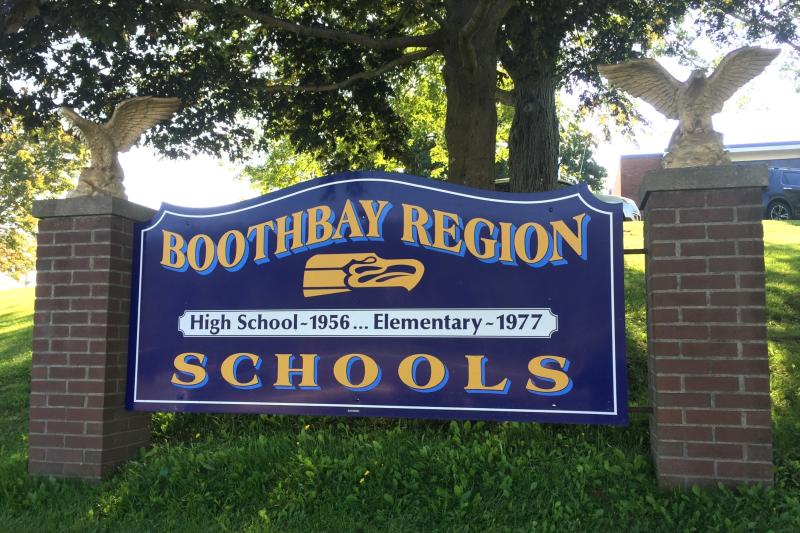
Worries about the strain student transfer agreements (superintendent agreements) have on local taxpayers were again on the minds of Community School District (CSD) trustees Aug. 6.
As reported in the Register, under these agreements, superintendents may approve the transfer of a student from their residential public school administrative unit (SAU) to another if they agree it is in the student’s best interest. If the superintendents deny the request, there are several rounds of appeal. These students are not legally required to pay tuition, and the CSD does not receive a state subsidy as it is a minimum receiver. Applications cannot be denied based on fiscal reasons.
Discussion mostly focused on the children of non-residential CSD employees, who are allowed to attend the CSD as an employee benefit. This is not in employee contracts, but is covered by state statute, said Alternative Organizational Structure (AOS) 98 Superintendent Robert Kahler. There are currently 15 students from nine teachers in the CSD.
The board is not opposed to these students attending, previously citing the parental benefits of having children close by and the positive optics of employees wanting their children to attend the CSD. However, concerns remain about Boothbay and Boothbay Harbor taxpayers footing the bill.
The board and attending members of the public have floated implementing regulations on the number of students. Kahler said that cap would not be allowed by the statute.
Discussion then turned to consulting legal counsel for more information, with the idea of talking to other schools and possibly taking the matter to the state.
In other business, trustees touched on the AOS's governing effectiveness. As reported in the Register, the AOS structure originated from the School Administrative Reorganization Law of 2007, whose goal was to reduce Maine’s school districts to cut administrative costs. The AOS system was introduced so towns could consolidate to avoid financial penalties but retain individual school identities.
This model is quickly disappearing as towns move to local control and simplify bureaucracies. Out of Maine's 19 AOS systems, seven remain. The other option for school structuring is a Regional School Unit (RSU).
Wiscasset selectmen recently approved a non-binding referendum question on the Nov. 3 ballot asking residents if the town should explore the possibility of a single regional high school serving students from multiple area towns. While getting a question on the ballot would require a quick turnaround due to advertising and absentee ballot requirements, the trustees discussed having an Election Day exit poll with a similar question to gauge public interest. This way, trustees can be present and provide context to unsure residents.
Members of Maine Department of Education's Finance Office will be at Edgecomb Eddy School at 6 p.m. Aug. 20 to discuss school governing systems and what a switch would mean for the community.