Thoughts on Black Flies
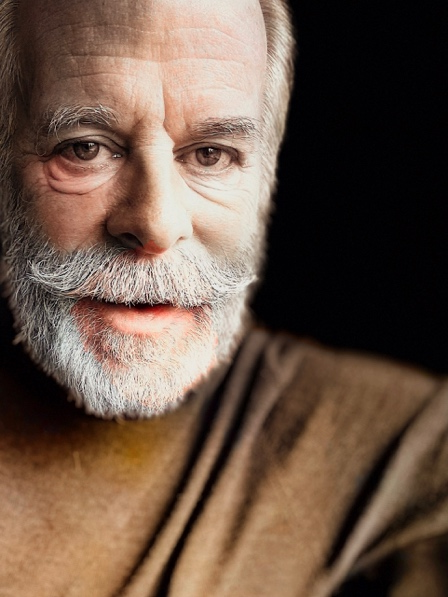 Skip Simonds
Black flies? Now? Skip, it’s November, don’t you know? Yeah, I know, but consider this piece in preparation for next spring.
Let me be clear at the start. I think black flies get a bad rap in Maine.
Now before you go all judgy on me for that, take a moment for reflection. Black flies are merely the first of a cavalcade of pain, itchin’, and general aggravation that accompanies the onset of spring.
It’s as though Mother Nature is saying to us, “Are you sure you really want spring to go though this black fly thing?” And, upon a moment or two’s reflection, the answer just isn’t all that obvious.
The loons, chickadees, and trout appreciate the insects. The rest of us invest in DEET and sarcasm. Every Mainer knows that spring doesn't simply become summer. It progresses to it through a succession of aerial predators.
So, yeah, black flies are bad, but they carry the weight of accusations that rightly also belong to other bugs. Like no-see-ums (we Maine-ahs call ‘em “punkies”… and no, they aren’t the same as black flies, and they’d be offended if you thought so). Then comes the mosquitoes. And lastly the horse flies.
Black flies are the brazen street muggers. They don’t bite. They slice you open and don’t care about the “evidence” they leave behind.
No-see-ums are the ninjas. You don’t see um (obviously). You don’t hear um. And suddenly you’re wondering where those six bites on your wrist came from.
Mosquitoes are the pickpockets. The sneak in quietly, take a little, and hope you don’t notice till they’re gone.
And then there’s horse flies.
Some folks think of them as the gunships of the flying insect world. Me, I think of them as unmanned aerial drones piloted by mosquitoes who got tired of risking their hides. I swear I’ve seen mosquitoes with little joy sticks just out of my peripheral vision.
Why do I think that? Because horse flies buzz loud enough to announce their arrival, circle you menacingly, and then land with the confidence of something that thinks it weighs about as much as a sparrow.
And they’re fearless. Black flies and no-see-ums have perfected sneak attacks so you can’t swat ‘em. Swat at a mosquito and it's gone to find easier prey. But swat at a horse fly and it just lifts off, circles around like it's offended by your lack of hospitality, and comes back for another pass at pretty much the exact same spot.
And you don’t realize it’s all an insect military campaign.
The campaign starts when spring arrives with birdsong, daffodils, and hope. Hope is the emotional state most vulnerable to attack.
Then:
The black flies.
Black flies are merely the opening artillery barrage. Their mission is to soften up the civilian population.
Once morale has been sufficiently compromised, they hand the battlefield over to no-see-ums and mosquitoes who excel at guerrilla warfare.
Then horse flies arrive. These are the Air Force. Loud. Lumbering. Heavily armed. They seem less interested in nutrition than in sending a message.
Finally, after weeks of training, endurance, and blood loss, Mainers develop the thousand-yard stare, the reflexive swat, and an immunity to itching that would impress Navy SEALs.
And then, just when you think you’ve survived another spring … the tourists arrive.
The tourists, unlike the insects, don't actually take your blood.
They just take your parking space at Hannaford.
And they don’t mean to annoy anyone. They just want directions to a lighthouse you've driven past so many times you stopped noticing it around 1987.
By August, we’ve become so accustomed to waving insects away that we sometimes absentmindedly shoo tourists with the same motion.
Like the horse flies, they rarely take offense.
They assume we're pointing them toward the nearest lighthouse.