Southport students get their hands dirty
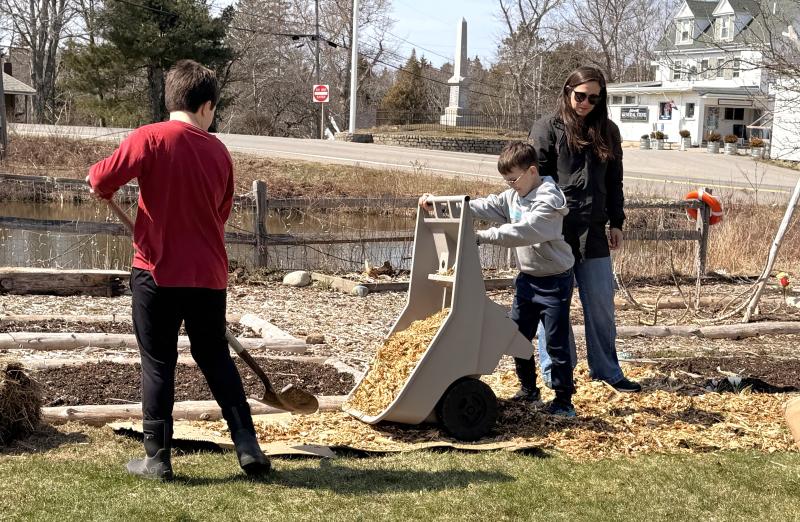 Students at Southport Central School lay cardboard and wood chips to create paths in preparation for another planting season at the community garden. Courtesy of Shawn Gallagher
 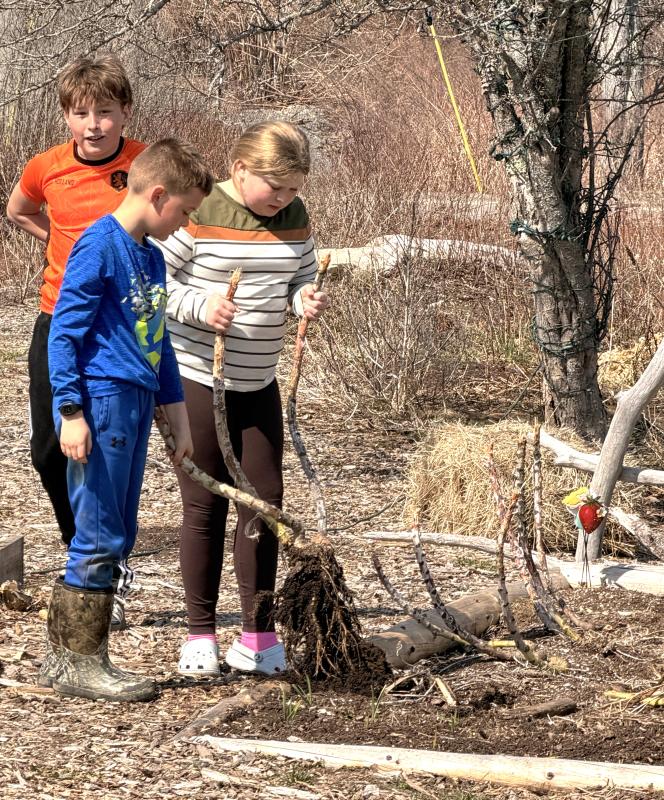 Students pull up kale stalks from last season. Courtesy of Shawn Gallagher
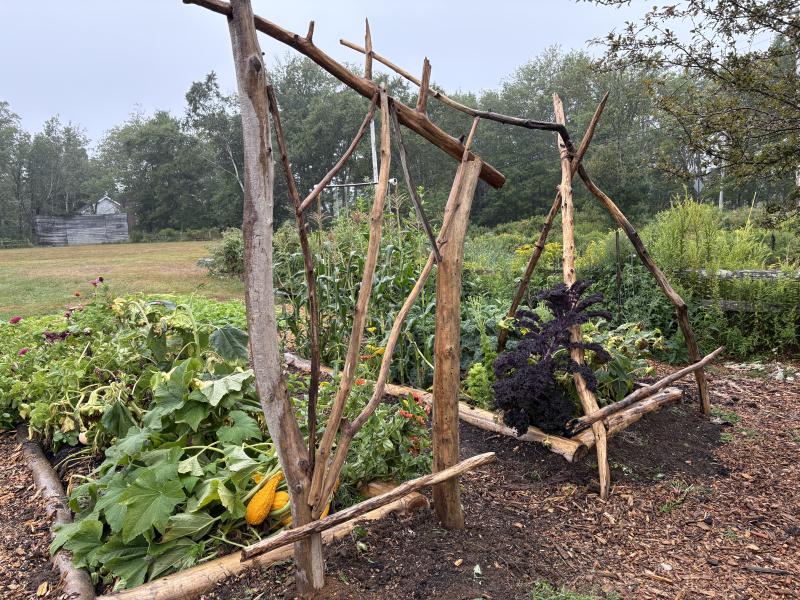 The school's community garden is open for anyone to harvest and enjoy. Courtesy of Shawn Gallagher
 Courtesy of Shawn Gallagher
Students at Southport Central School lay cardboard and wood chips to create paths in preparation for another planting season at the community garden. Courtesy of Shawn Gallagher
Students pull up kale stalks from last season. Courtesy of Shawn Gallagher
The school's community garden is open for anyone to harvest and enjoy. Courtesy of Shawn Gallagher
Courtesy of Shawn Gallagher
Courtesy of Shawn Gallagher
Students at Southport Central School lay cardboard and wood chips to create paths in preparation for another planting season at the community garden. Courtesy of Shawn Gallagher
Students pull up kale stalks from last season. Courtesy of Shawn Gallagher
The school's community garden is open for anyone to harvest and enjoy. Courtesy of Shawn Gallagher
Courtesy of Shawn GallagherIt's planting season, and Southport Central School students are hard at work preparing their community garden for another bountiful harvest. The garden began last year as a passion project for Principal Shawn Gallagher, who operated a small farm for several years in Whitefield and has wanted to bring hands-on gardening to the classroom.
However, this isn’t easily done. For the experience to be productive for kids, there needs to be an outside force maintaining the patch over summer vacation, so it's ready in the fall. Southport General Store stepped in.
General Manager Bonita Johnson and other team members watered three or four times a week and helped the project get off the ground by building garden beds. This year, the school added two more beds, totaling 240 square feet of growing space across six plots.
“(We’re turning) it into a real-life science lesson, where these kids are watching and learning where their food could be coming from. That's the piece that gets me really, really excited,” said Gallagher.
The students’ excitement has been infectious. Every Friday, each grade spends 30 minutes learning about different aspects of the growing cycle, such as the essential microorganisms that keep the soil healthy. But the pinnacle for Gallagher is seeing the students harvest and enjoy food they plant. As the garden is open to the community, he has seen students bring their families to partake in the spoils as well.
“There is nothing but joy and learning from seed to eating. It's really a beautiful thing.”
Being involved in the growing process has also made kids more willing to try new foods. Students can go out to the garden, yank a carrot out of the ground, wipe the dirt off on their pants and return to the classroom to investigate their acquisition with peers, said Gallagher. How does it sound when you bite into it? How does it taste? Does it taste different from the food from the grocery store?
“They're willing to let their curiosity lead rather than their opposition.”
Curiosity is what pushed students towards working with Coastal Maine Botanical Gardens Education Coordinator Elizabeth Jarvis, to create a compost system for the school. After weighing options, a four-student team landed on three cylindrical compost bins that take less maintenance, while providing optimal air flow and access to sun and rain.
The team conservatively estimates the system will reduce the school’s compostable waste by 200 gallons a year. The grand unveiling will be at the end of May.
Additions are also being made to the garden’s offerings, with students beginning the seeding process for “the three sisters” (corn, squash and beans) that will be part of a lesson about indigenous planting practices. These crops will be used this fall when the school again partners with Southport General Store for a free community meal.
As reported in the Register, fourth through sixth graders used vegetables from the garden to prepare a lunch for over 100 guests last year, and donated 64 pints and 16 quarts of homemade soup to the Community Fridge in Boothbay.
Another important aspect of this event was creating cross-generational connections, with instructors spending weeks discussing conversation etiquette and how to interact with older adults in preparation, explained Gallagher. And what better way to start a conversation than through breaking bread together?
“We think it makes a community resilient when you've got a younger generation who not only can speak to and feel comfortable with the generation that was before them, but also is willing to see their value.”