Boothbay during the American Revolution
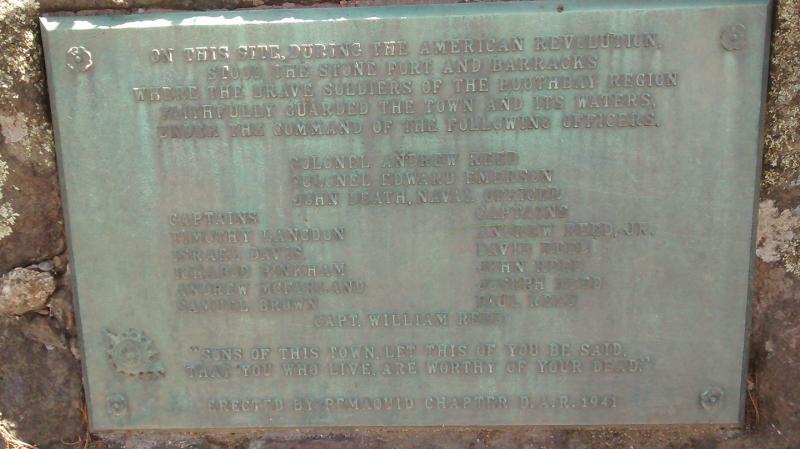 Plaque from the Daughters of the American Revolution. Sara Fahnley photo
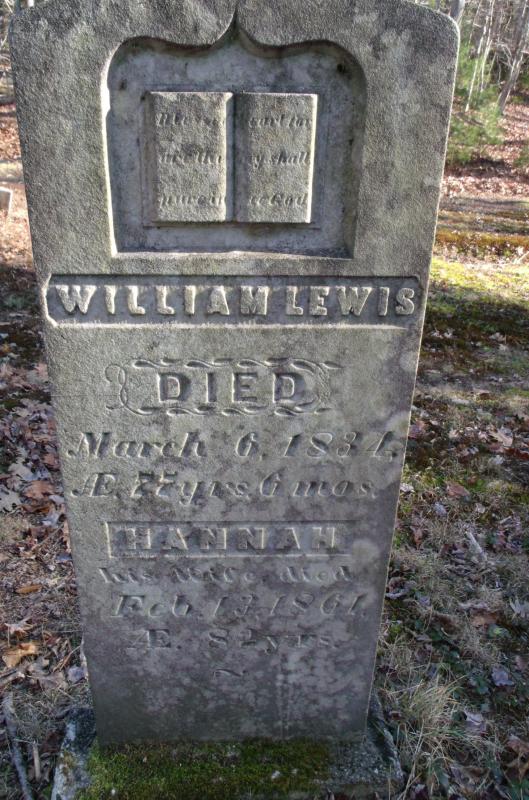 William Lewis headstone in Clam Avenue cemetery. Sara Fahnley photo
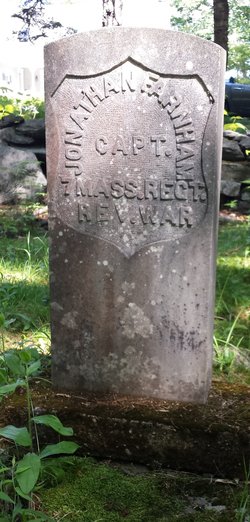 Jonathan Farnham headstone in Farnham Cemetery. Sara Fahnley photo
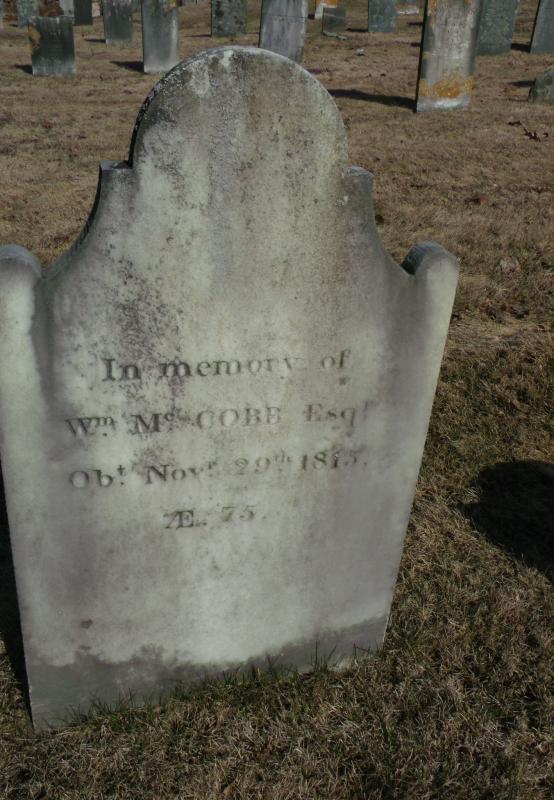 William McCobb headstone in Kenniston Cemetery. Sara Fahnley photo
Plaque from the Daughters of the American Revolution. Sara Fahnley photo
William Lewis headstone in Clam Avenue cemetery. Sara Fahnley photo
Jonathan Farnham headstone in Farnham Cemetery. Sara Fahnley photo
William McCobb headstone in Kenniston Cemetery. Sara Fahnley photo
William McCobb headstone in Kenniston Cemetery. Sara Fahnley photo
Plaque from the Daughters of the American Revolution. Sara Fahnley photo
William Lewis headstone in Clam Avenue cemetery. Sara Fahnley photo
Jonathan Farnham headstone in Farnham Cemetery. Sara Fahnley photo
William McCobb headstone in Kenniston Cemetery. Sara Fahnley photoThe United States is celebrating its 250th anniversary, known as the Semiquincentennial, as a year-long event that officially began on Dec. 31, 2025, and will continue through the end of 2026.
At the time of the American Revolution, Maine, not a state until 1820, was part of Massachusetts and Boothbay played a significant role as both a military site and as a hub for Patriot operations.
During the war, Boothbay was home to a stone fort and barracks where local soldiers under officers Colonel Andrew Reed, Colonel Edward Emerson, and John Beath, Captains Timothy Langdon, Andrew Reed Jr., Israel Davis, David Reed, Ichabod Pinkham, John Reed, Andrew McFarland, Joseph Reed, and Samuel Brown guarded the town and its harbor. The fort was strategically important for defending the Cape Newagen peninsula and its deep, protected harbor, which could shelter hundreds of vessels.
By the late 18th century, the site was no longer in active military use. The fort was eventually abandoned, and the area repurposed for other uses. Over time, the stone structures were likely dismantled or left to decay. Today, the location is marked by a historical plaque erected in 1941 by the Pemaquid Chapter of the Daughters of the American Revolution, commemorating the fort's role during the war.
Boothbay’s harbor also served as a naval rendezvous point for the American fleet before the disastrous Penobscot Expedition of 1779. The Penobscot Expedition was a 44-ship American naval task force from the Province of Massachusetts Bay. The flotilla of 19 warships and 25 smaller support vessels sailed from Boston on July 19, for the upper Penobscot Bay in the District of Maine carrying a ground expeditionary force of more than 1,000 colonial Marines and militiamen.
Also included was a 100-man artillery detachment under the command of Lieutenant Colonel Paul Revere. The Expedition's goal was to reclaim control of what is now Midcoast Maine from the British who had seized it a month earlier and renamed it New Ireland. It was the largest American naval expedition of the war. The fighting took place both on land and at sea in and around the mouth of the Penobscot and Bagaduce rivers at what is today Castine, Maine over a period of three weeks in July and August of 1779. One of the greatest victories of the war for the British, the Expedition was also the United States' worst naval defeat until Pearl Harbor in 1941.
As the country celebrates, we honor soldiers in Boothbay and Boothbay Harbor, buried in local cemeteries, who fought in the American Revolutionary War.
Henry Abbott – Abbott Family Cemetery
Private Samuel Adams – Kenniston
Private Ephram Alley – Black River
Corporal Joshua Alley – Conkling Estate
Private John Barter – Lewis Cemetery
Naval Officer John Beath – Pear Street
Seaman John Daws – Kenniston
Lieut. Col Edward Emerson – Kenniston
Private Hansel Farnham – Farnham
Capt Jonathan Farnham – Farnham
Private Ebenezer Fullerton – Pear Street
Private James Kennedy – Kenniston
Private David Kenniston – Kenniston
Private Daniel Knight – Kenniston
Private William Lewis – Clam Avenue
Seaman Samuel McCobb – Kenniston
Naval Officer William Mcobb – Kenniston
1st Lieut. Ichabod Pinkham – Kenniston
Private Nathaniel Pinkham – Kenniston
Lieut. Col Andrew Reed – Kenniston
2nd Lieut. Andrew Reed Jr. - Kenniston
Private Andrew Reed 2nd - Kenniston
Capt David Reed – Pear Street
1st Lieut. Joseph Reed – Kenniston
Master brigantine Paul Reed – Kenniston
Fifer Robert Reed – Kenniston
Lieut. William Reed – Kenniston
Private Samuel Thompson – Kenniston
Private Giles Tibbetts – Boothbay
Private Robert Wylie – Kenniston
Questions comments and suggestions are welcome here or you can email bbcemeteries@proton.me. I will also help find the gravestones of family members.
Please note: This column being written as a private citizen and has no connection to the Boothbay- Boothbay Harbor Cemetery District. All content, including projects and opinions is the responsibility of the author.