1 unit, 3 lives: Why you should donate blood if you can
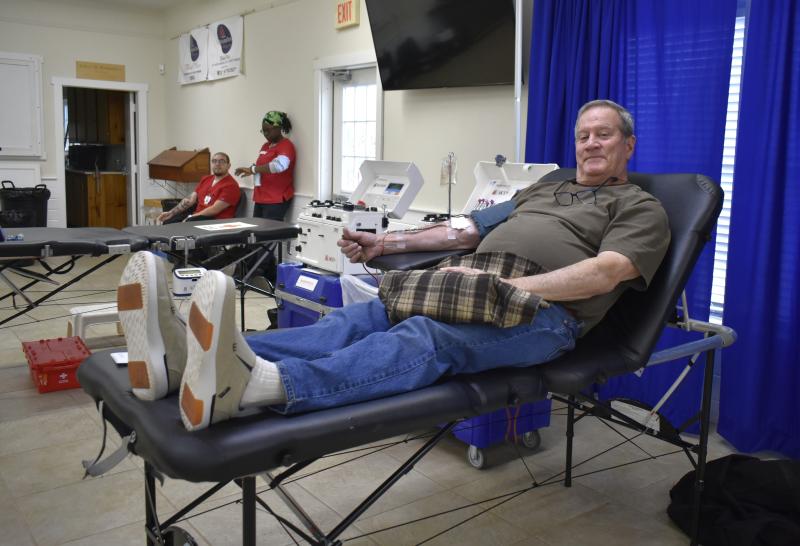
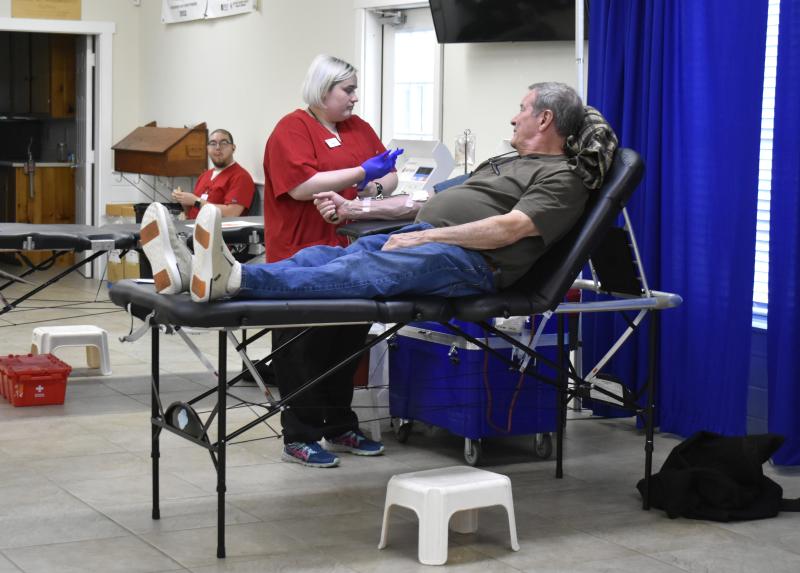 Jim Tharpe of East Boothbay donates at the American Red Cross' blood drive Nov. 6 at American Legion Post #36. ISABELLE CURTIS/Boothbay Register
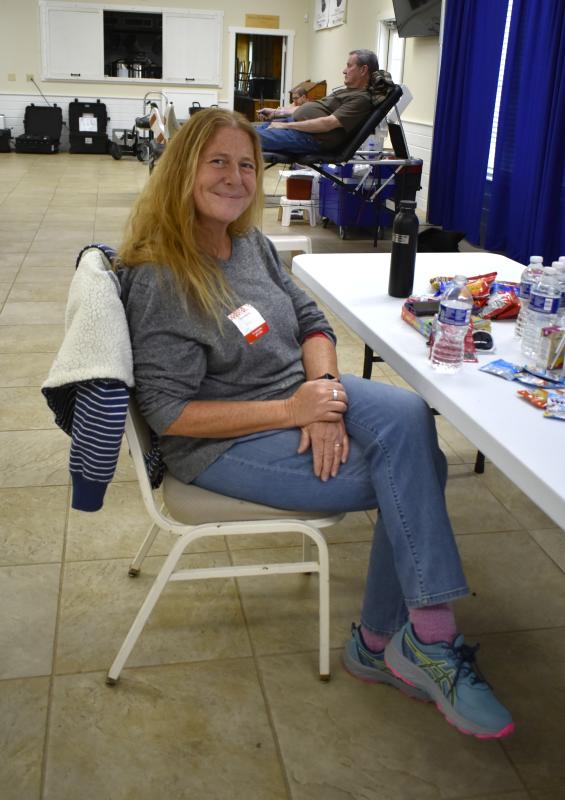 Nurse Anne Dolloff recently donated her 51st unit of blood. ISABELLE CURTIS/Boothbay Register
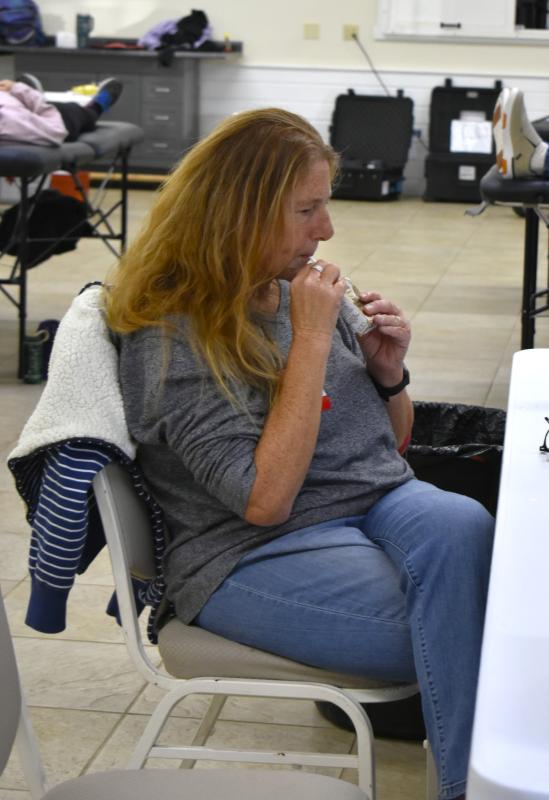
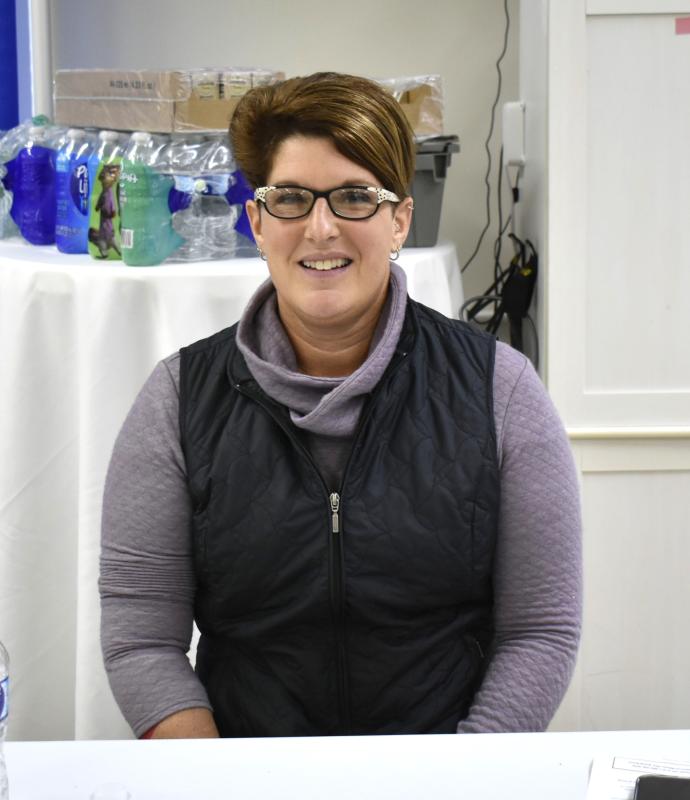 First-time donor Erin Barter described her experience as "wonderful." ISABELLE CURTIS/Boothbay Register
 ISABELLE CURTIS/Boothbay Register
 ISABELLE CURTIS/Boothbay Register
 ISABELLE CURTIS/Boothbay Register
 ISABELLE CURTIS/Boothbay Register
 ISABELLE CURTIS/Boothbay Register
Jim Tharpe of East Boothbay donates at the American Red Cross' blood drive Nov. 6 at American Legion Post #36. ISABELLE CURTIS/Boothbay Register
Nurse Anne Dolloff recently donated her 51st unit of blood. ISABELLE CURTIS/Boothbay Register
First-time donor Erin Barter described her experience as "wonderful." ISABELLE CURTIS/Boothbay Register
ISABELLE CURTIS/Boothbay Register
ISABELLE CURTIS/Boothbay Register
ISABELLE CURTIS/Boothbay Register
ISABELLE CURTIS/Boothbay Register
ISABELLE CURTIS/Boothbay Register
ISABELLE CURTIS/Boothbay Register
Jim Tharpe of East Boothbay donates at the American Red Cross' blood drive Nov. 6 at American Legion Post #36. ISABELLE CURTIS/Boothbay Register
Nurse Anne Dolloff recently donated her 51st unit of blood. ISABELLE CURTIS/Boothbay Register
First-time donor Erin Barter described her experience as "wonderful." ISABELLE CURTIS/Boothbay Register
ISABELLE CURTIS/Boothbay Register
ISABELLE CURTIS/Boothbay Register
ISABELLE CURTIS/Boothbay Register
ISABELLE CURTIS/Boothbay Register
ISABELLE CURTIS/Boothbay RegisterAnne Dolloff of Boothbay has been donating blood since she was a high schooler, and she joined 21 other locals Nov. 6 at American Legion Post #36 to give once again, marking her 51st unit of blood donated.
“I just think we need a lot more compassion these days, with everything the world is,” she said.
The National Heart, Lung, and Blood Institute (NHLBI) reports that one unit of blood can save up to three lives, as it can be separated into different components: red blood cells, plasma and platelets. About 29,000 units of red blood cells, 6,500 of plasma and 5,000 of platelets are needed daily in the U.S., according to the American Red Cross.
As a nurse, Dolloff is on the front line of this need and has seen the effects of shortages, recalling one night when a patient came into the Emergency Room needing platelets, and there were none to give. Sometimes, the hospital can get needed supplies from Boston, but this means the patient has to wait, she explained.
Another important reason to donate is how quickly large quantities of blood can be used up; for instance, a single car crash victim can require as many as 100 units of blood, per the Red Cross.
“It saves lives,” said Dolloff.
Giving blood also has personal benefits as donors are given results from the testing undergone to verify a donation's safety for transfusion, including blood type identification, sickle cell screening and infectious disease testing.
First-time donor Erin Barter of Southport cited learning her blood type as one of her motivations, as she wants to practice healthier eating. A friend recently introduced her to a book that recommends diets catered to blood type, with advice on which foods provide beneficial, neutral, or negative impacts.
In addition, Barter wanted to know if she shared her father’s O-positive blood type, which the Red Cross lists as high demand due to its compatibility with over 80% of the population. “Hopefully, I have some of (my father’s) good blood so I can donate,” she said.
Jim Tharpe of East Boothbay also pointed to his O-negative blood type, which makes him a universal donor, as a major reason behind the decision to give blood. So far, Tharpe has donated 13 units.
The Red Cross's Blood Donor app allows people to track where their blood is going, giving them a glimpse of the real-life benefits. “You can see the impact," said Barter.
To find a blood drive near you, visit the American Red Cross website or download the organization’s Blood Donor app.